Table Of Content
For example, a researcher can follow a group of smokers and a group of nonsmokers to determine the incidence of lung cancer in each. In backward-direction studies, the researcher begins by determining whether the outcome is present (cases vs. noncases [also called controls]) and then traces the presence of prior exposure to a risk factor. For example, a researcher identifies a group of normal-weight babies and a group of low-birth weight babies and then asks the mothers about their dietary habits during the index pregnancy.
Step 3: Identify your population and sampling method
A population can be made up of anything you want to study – plants, animals, organisations, texts, countries, etc. Any change in test scores could have been influenced by many other variables, such as increased stress and health issues among students and teachers. With descriptive and correlational designs, you can get a clear picture of characteristics, trends, and relationships as they exist in the real world.
Research Design: Qualitative Studies
The research problem an organization faces will determine the design, not vice-versa. The design phase of a study determines which tools to use and how they are used. For example, if you are researching the opinions of students in your university, you could survey a sample of 100 students.
Experimental research designs
These little piggies helped their neighbors, but why? New research design may help shed light - Phys.org
These little piggies helped their neighbors, but why? New research design may help shed light.
Posted: Mon, 14 Aug 2023 07:00:00 GMT [source]
You are going to investigate the effectiveness of a mindfulness-based intervention for reducing stress and anxiety among college students. Participants should be randomly assigned to either an intervention group or a control group. You need to conduct pre- and post-intervention using self-report measures of stress and anxiety. For instance, if the test scores of a class are an outcome of their efforts; efforts are an independent variable, and the score is a dependent variable. A detailed plan will give your research direction, sharpen your research methods and set your study up for success. This detailed plan is referred to as research design in the professional realm.
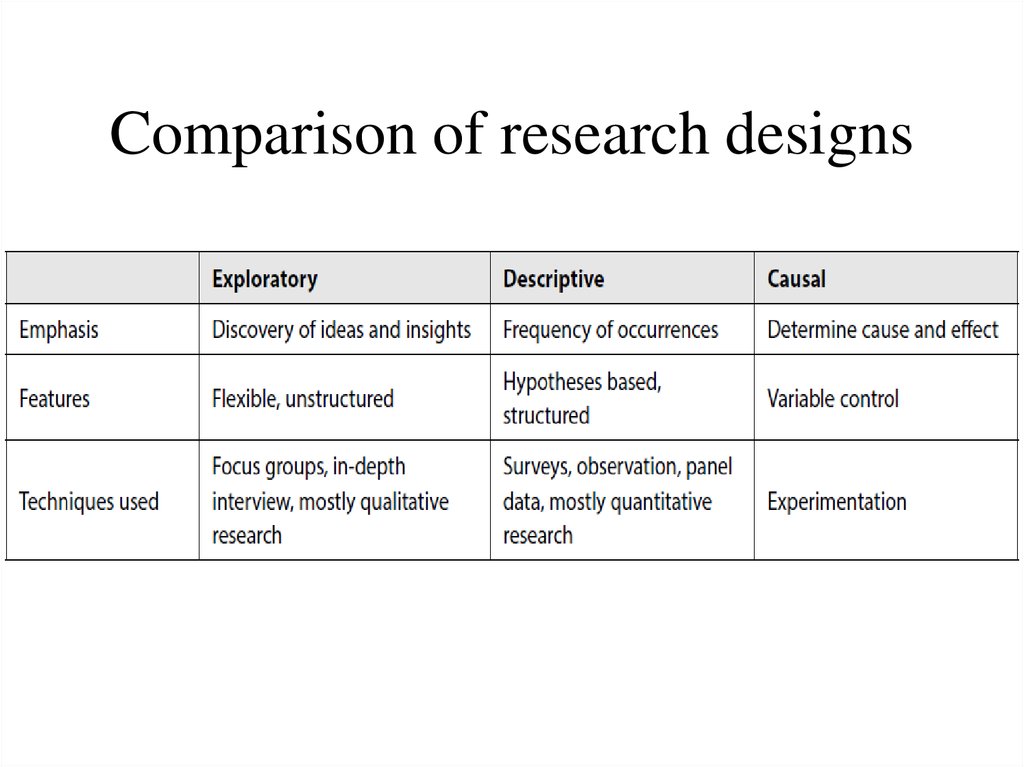
Descriptive Research Design
However, it is common for the set of people in survey panels to change over time as new panelists are added and some prior panelists drop out. Many of the questions in Pew Research Center surveys have been asked in prior polls. Questionnaire design is a multistage process that requires attention to many details at once. Researchers are also often interested in measuring change over time and therefore must be attentive to how opinions or behaviors have been measured in prior surveys. The function of a research design is to ensure that the evidence obtained enables you to effectively address the research problem as unambiguously as possible. In social sciences research, obtaining evidence relevant to the research problem generally entails specifying the type of evidence needed to test a theory, to evaluate a program, or to accurately describe a phenomenon.
Diving into any new project necessitates a solid plan, a blueprint for navigating the very complex research process. It requires a framework that illustrates how all the principal components of the project are intended to work together to address your central research questions - the research design. The above factors affect how respondents answer the research questions, so they should balance all the above characteristics in a good design.
Step 2: Choose a type of research design
Not everyone can say that they can put a drug out on the market, and for me it is an ultimate career goal to be a part of a team that is able to do this. This program provided me with a lot of knowledge and gave me the tools to be resourceful so that I can help lead my team to manage a clinical trial successfully. Mixed-methods research may come in handy when exploring complex phenomena that cannot be adequately captured by one method alone. By following an established plan, researchers can be sure that their projects are organized, ethical, and reliable. Remember that research design should be flexible enough to adjust for any unforeseen developments.
Organizing Your Social Sciences Research Paper
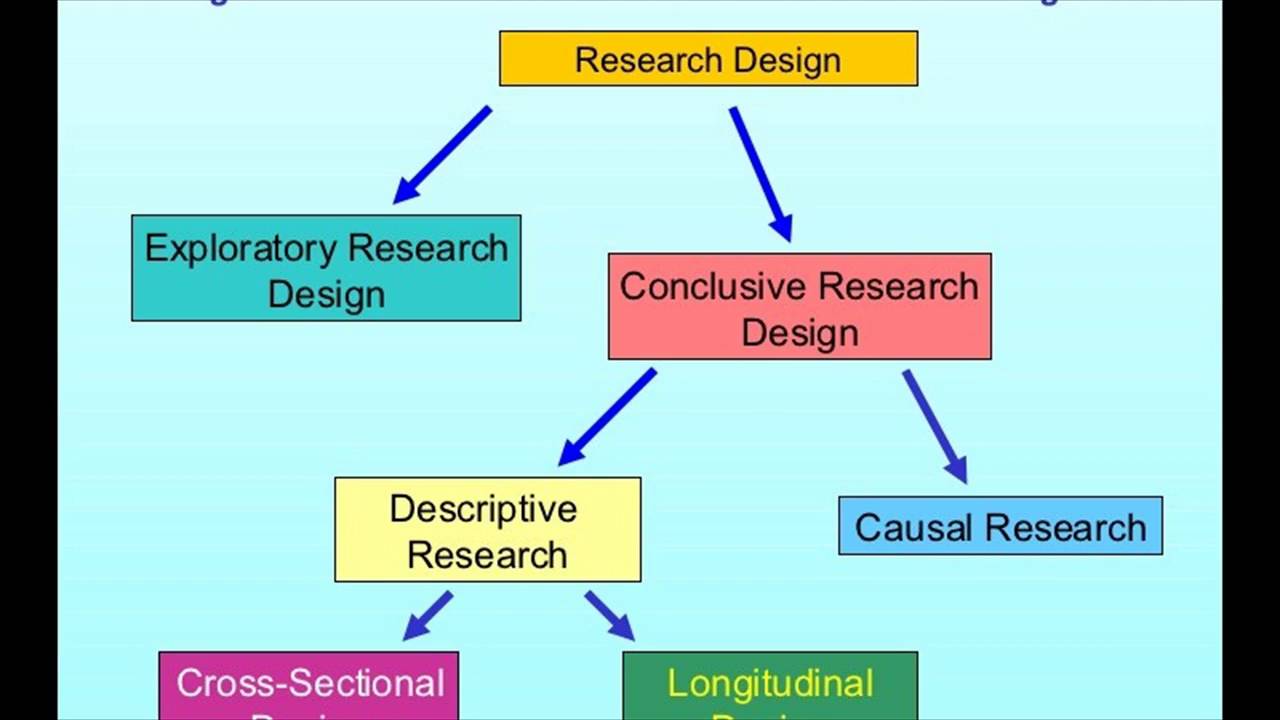
Construct validity is assessed in positivist research based on correlational or factor analysis of pilot test data, as described in the next chapter. Research design is the blueprint of any scientific investigation, dictating the path researchers take to answer their burning questions. For young researchers stepping into this realm, understanding the intricacies of research design is paramount. In this article, we’ll explore what research design entails, the different types available, and tips for choosing an appropriate research design. An exploratory design is conducted about a research problem when there are few or no earlier studies to refer to or rely upon to predict an outcome. The focus is on gaining insights and familiarity for later investigation or undertaken when research problems are in a preliminary stage of investigation.
Step 2: Decide on research approach
For Pew Research Center surveys, this involves thinking about what is happening in our nation and the world and what will be relevant to the public, policymakers and the media. We also track opinion on a variety of issues over time so we often ensure that we update these trends on a regular basis to better understand whether people’s opinions are changing. Perhaps the most important part of the survey process is the creation of questions that accurately measure the opinions, experiences and behaviors of the public. Accurate random sampling will be wasted if the information gathered is built on a shaky foundation of ambiguous or biased questions.
One concept you’re bound to run into fairly early in your research journey is that of “research design”. Here, we’ll guide you through the basics using practical examples, so that you can approach your research with confidence. A questionnaire, like a conversation, should be grouped by topic and unfold in a logical order. It is often helpful to begin the survey with simple questions that respondents will find interesting and engaging.
Analytical studies attempt to test a hypothesis and establish causal relationships between variables. In these studies, the researcher assesses the effect of an exposure (or intervention) on an outcome. As described earlier, analytical studies can be observational (if the exposure is naturally determined) or interventional (if the researcher actively administers the intervention). Research study designs are of many types, each with its advantages and limitations. The type of study design used to answer a particular research question is determined by the nature of question, the goal of research, and the availability of resources. Since the design of a study can affect the validity of its results, it is important to understand the different types of study designs and their strengths and limitations.
By presenting questions in a different order to each respondent, we ensure that each question gets asked in the same context as every other question the same number of times (e.g., first, last or any position in between). This does not eliminate the potential impact of previous questions on the current question, but it does ensure that this bias is spread randomly across all of the questions or items in the list. Randomization of response items does not eliminate order effects, but it does ensure that this type of bias is spread randomly. Many surveyors want to track changes over time in people’s attitudes, opinions and behaviors. A cross-sectional design surveys different people in the same population at multiple points in time.
Grounded theory (also referred to as “GT”) aims to develop theories by continuously and iteratively analysing and comparing data collected from a relatively large number of participants in a study. It takes an inductive (bottom-up) approach, with a focus on letting the data “speak for itself”, without being influenced by preexisting theories or the researcher’s preconceptions. This means that the researcher needs to assign participants to different groups or conditions in a way that each participant has an equal chance of being assigned to any group (note that this is not the same as random sampling). For example, withholding a potentially beneficial medical treatment from a control group may be considered unethical in certain situations.
There are many other ways of analysing qualitative data depending on the aims of your research. To get a sense of potential approaches, try reading some qualitative research papers in your field. If you’re developing a new questionnaire or other instrument to measure a specific concept, running a pilot study allows you to check its validity and reliability in advance.